

Toileting Difficulties in Children
Bladder, bowel and toileting support for children and families in South West London.
Toileting difficulties are very common in children and are often much more complex than simply “not using the toilet properly”. Children may struggle with wees, poos, accidents, constipation, wiping, clothing, toilet routines, bathroom anxiety, body awareness or knowing when they need to go.
At Therapy4Kids, we take a whole-child approach. We look beyond the toilet itself and consider the physical, sensory, emotional, developmental, communication and environmental factors that may be making toileting difficult for your child.
Our multidisciplinary team includes Physiotherapy, Occupational Therapy, Speech and Language Therapy, Clinical Psychology and Educational Psychology. Not every child needs every discipline, but we can help identify the right starting point.
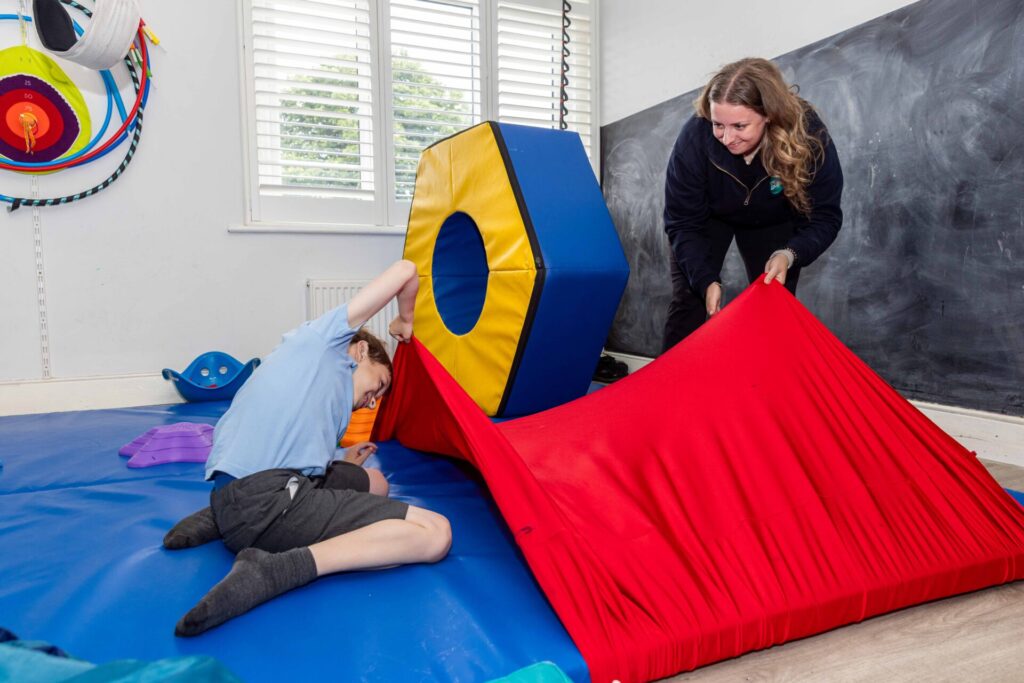
Looking beyond the toilet
Toileting difficulties are usually multifactorial, meaning there may be several things contributing at the same time. A child may be dealing with constipation, sensory sensitivities, anxiety, communication difficulties, body awareness challenges, physical difficulties or routines that are hard to manage.
Children are not usually choosing to struggle with toileting. More often, they are coping with challenges related to body awareness, regulation, physical comfort, communication or anxiety.
Our role is to understand the “why” behind your child’s difficulties so that support is targeted, practical and individualised.
Toileting is a daily life skill
Using the toilet independently requires many different skills working together. When one or more of these skills is difficult, toileting can become stressful for the child and their family.
- Recognising when their bladder or bowel is full
- Communicating that they need the toilet
- Getting to the toilet safely and in time
- Managing clothes, wiping and handwashing
- Sitting in a stable, relaxed position
- Tolerating the bathroom environment
- Relaxing enough to empty their bladder and bowel
- Understanding and following a toileting routine
Constipation can affect toileting in many ways
Constipation is one of the most common and often hidden reasons children experience toileting difficulties. A child can still be constipated even if they are pooing regularly.
Constipation may contribute to daytime wetting, bedwetting, poo accidents, skid marks, urgency, frequent toileting, withholding, painful bowel movements or reluctance to use the toilet.
Possible signs include large or hard stools, painful pooing, tummy aches, small frequent stools, excessive wiping, withholding behaviours, recurrent wetting or urinary tract infections.
Addressing constipation is often an essential first step before other toileting strategies can be successful. Where constipation is suspected, families should seek appropriate medical advice from their GP or healthcare professional.
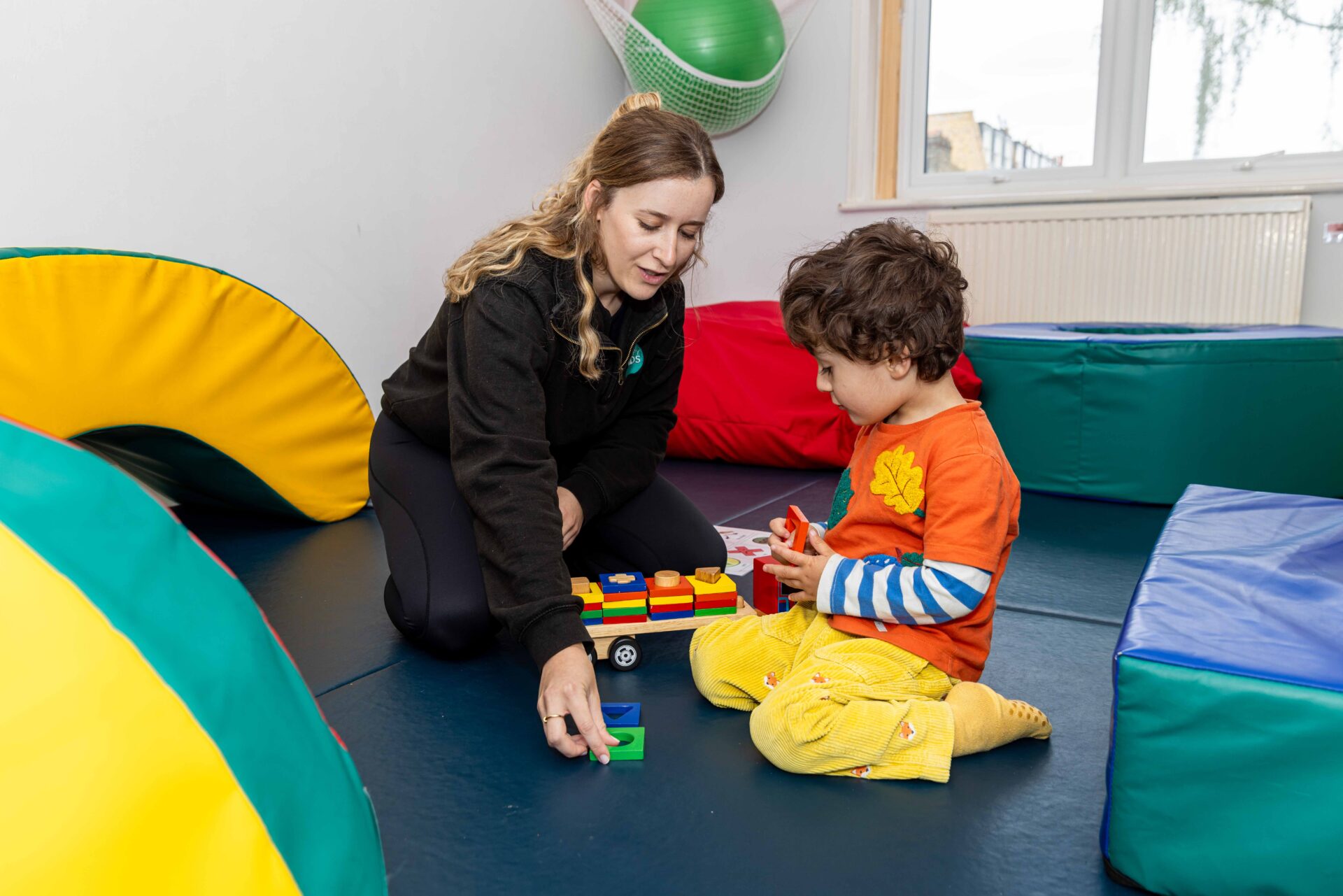
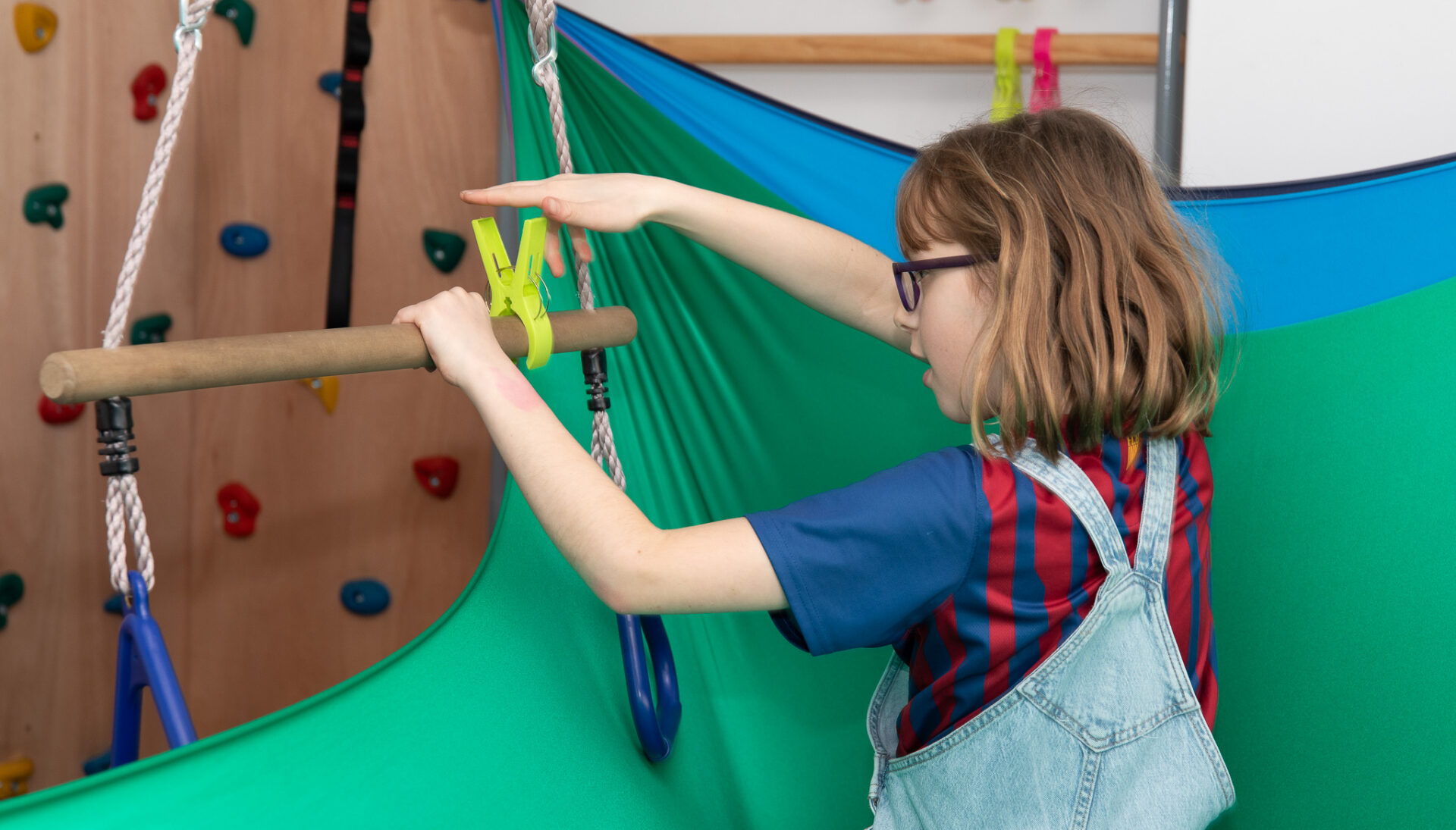
When should toileting skills be introduced?
Every child develops toileting skills at their own pace and there is no single “right” time to begin. Some children show typical readiness signs, such as noticing when they are wet or dry, showing interest in the toilet or beginning to recognise when they need a wee or poo.
Other children, particularly those with additional needs or disabilities, may not show traditional readiness signs. This does not mean they are unable to develop toileting skills.
It can be helpful to introduce toileting-related skills gradually, alongside your child’s overall development, so they become familiar with routines, expectations and the bathroom environment over time.
How can therapy help?
The first step is understanding what is making toileting difficult for your child. Assessment allows us to identify contributing factors and develop an individualised plan.
- Bladder and bowel education
- Constipation management advice alongside appropriate medical input
- Developing toileting routines
- Toilet positioning and posture
- Sensory or environmental adaptations
- Breathing and relaxation strategies
- Communication or visual supports
- Body awareness activities
- Parent coaching and school liaison
- Developing independence with dressing, wiping and handwashing
Most progress happens through practising strategies consistently at home, school and in everyday environments, with therapists providing guidance, support and regular review.
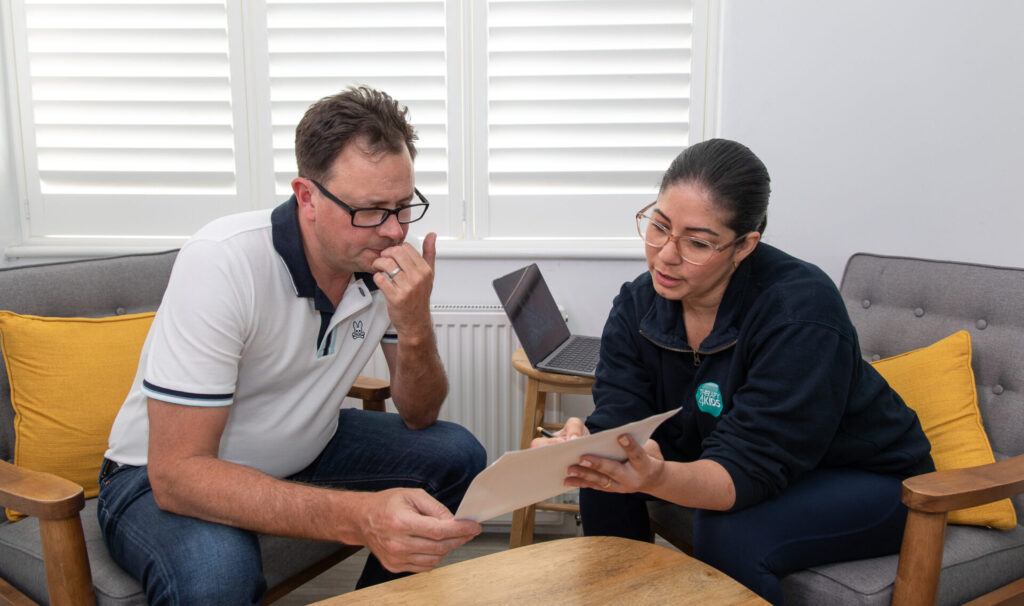
How different therapists may help
Physiotherapy may support bladder and bowel health, constipation, toileting posture, breathing and relaxation, pelvic floor coordination, core stability, postural control and physical factors affecting toileting.
Occupational Therapy may support sensory processing, interoception, toileting routines, environmental adaptations, clothing, wiping, handwashing and independence skills.
Psychology may support anxiety, emotional regulation, behavioural patterns, confidence, coping strategies and family support.
Speech and Language Therapy may support communication of toileting needs, visual supports, sequencing routines and understanding toileting concepts.
When should you seek medical advice?
Therapy can help children develop toileting skills and routines, but some symptoms need medical advice. Please speak to your GP, health visitor or appropriate healthcare professional if you are worried about your child’s bladder, bowel or toileting health.
- Blood in stool or urine
- Significant pain
- Recurrent urinary tract infections
- Severe or persistent constipation
- Unexplained weight loss
- Sudden loss of previously established continence
- Persistent vomiting
- Changes in walking, sensation or other neurological concerns
This page is for general information and does not replace medical advice, diagnosis or treatment.
Frequently asked questions
Can Therapy4Kids help with toilet training?
Yes. We can help families understand why toileting is difficult and develop practical strategies to support toileting routines, independence, confidence and participation at home and school.
Can a child be constipated even if they poo regularly?
Yes. Some children may still be constipated even if they are passing stools. Signs may include large or hard stools, tummy aches, painful pooing, small frequent stools, accidents, skid marks, excessive wiping or withholding behaviours. If constipation is suspected, please seek medical advice.
Is my child choosing not to use the toilet?
Children are not usually choosing to struggle with toileting. There may be underlying factors such as body awareness, constipation, pain, sensory processing, anxiety, communication difficulties or environmental challenges.
Which therapist should my child see?
This depends on your child’s needs. Some children may need Physiotherapy, Occupational Therapy, Psychology or Speech and Language Therapy. Others may benefit from a multidisciplinary approach. A Toileting Support Call can help identify the best starting point.
Can you work with schools?
Yes. Where appropriate, we can liaise with schools or nurseries so that toileting routines and strategies are supported consistently across settings.
Speak to Therapy4Kids about toileting support
If your child is struggling with toileting, bladder or bowel skills, accidents, constipation, wiping, bathroom anxiety or independence, our team can help you understand what may be contributing and what support may be appropriate.
0208 605 2050
info@therapy4kids.co.uk